Trading, A Step-by-Step Beginner's Guide to Start Successfully
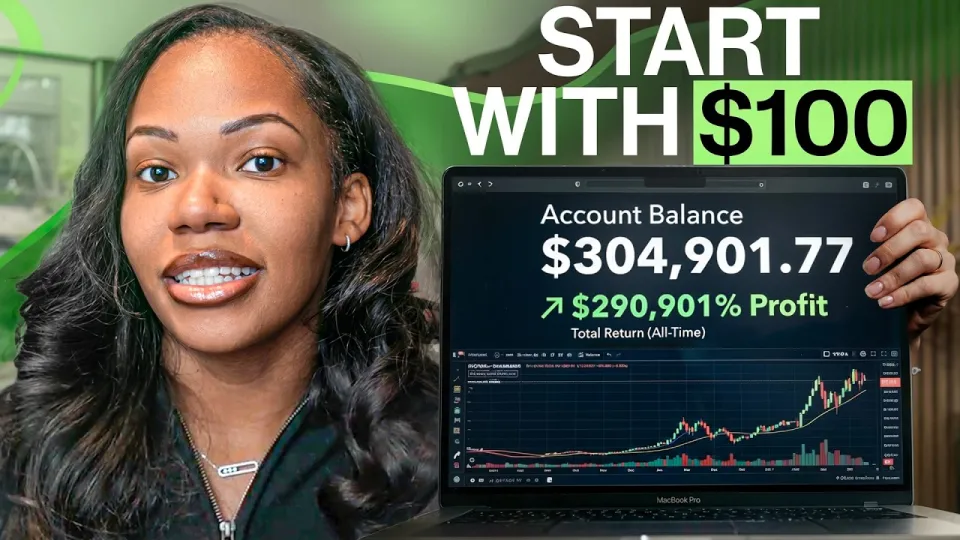
Video: How To Start Trading As A Beginner In 2026 (Step-by-Step)
Want articles like this for your own video to promote it on YouTube and Google? Order them through the Telegram bot @sat_sit_bot. It writes articles around your video, embeds the video and publishes them on popular niche websites (no ads). Try it free: 50 articles on us.
· based on the channel Sierra Aaliyah
Key takeaways
- Start trading with $300–$2,000, no need for large capital.
- Understand key concepts: calls vs puts, options vs futures.
- Use paper trading first to practice without risk.
- Master three core concepts: market structure, candlesticks, psychology.
- Leverage platforms like Webull and TradingView for tools and charts.
Trading is the act of buying and selling financial instruments like stocks, options, and futures to make a profit. To start trading as a beginner, you need to understand the basics clearly, manage risk, and practice consistently. This guide explains how to begin trading in 2026 with practical steps, tools, and mindset tips, inspired by the experience shared by Sierra Aaliyah, a self-taught full-time trader.
What Is Trading and What It Is Not
Trading involves actively buying and selling assets to capitalize on market movements. It is not a get-rich-quick scheme, nor does it require a huge starting capital. Beginners often mistakenly believe they need tens of thousands of dollars or insider knowledge to succeed. In reality, you can start with as little as $300 to $2,000, provided you focus on learning and risk management. Trading requires discipline, patience, and continuous learning rather than luck.
Key Trading Concepts: Calls vs. Puts, Options vs. Futures
Understanding trading instruments is essential. Calls and puts are types of options contracts:
- Call options give the right to buy an asset at a set price before expiration.
- Put options give the right to sell an asset at a set price before expiration.
Options differ from futures contracts, which obligate the buyer or seller to transact the asset at a future date and price. Options offer more flexibility and suit traders with varied schedules, while futures often require more capital and are used for hedging or speculation on commodities and indexes. Choosing between options and futures depends on your risk tolerance, capital, and time availability.
Starting With the Right Broker and Charting Platforms
Selecting the right broker and tools is crucial for beginner traders. Sierra Aaliyah recommends Webull for its beginner-friendly interface and no minimum deposit requirement, plus free stocks upon sign-up. For chart analysis, TradingView is widely used due to its comprehensive features and ease of use.
When starting, focus on platforms that support paper trading — simulated trading without real money — to sharpen your skills without risking capital. Paper trading helps you test strategies and understand market behavior before committing real funds.
Essential Foundations: Market Structure, Candlesticks, and Psychology
Before placing any trades, master these three fundamentals:
- Market Structure: Learn how the market trends, forms support and resistance levels, and how price moves in waves.
- Candlestick Reading: Understand candlestick patterns which reveal market sentiment and potential price direction.
- Trading Psychology: Develop emotional control to manage fear and greed, avoid impulsive decisions, and maintain discipline.
This foundation will help you interpret charts correctly, execute trades confidently, and sustain long-term profitability.
Common Beginner Challenges and How to Avoid Quitting
Most beginners quit within the first two months due to losses, frustration, or unrealistic expectations. Common pitfalls include:
- Overtrading or risking too much capital per trade.
- Reacting to short-term noise instead of focusing on higher timeframes.
- Chasing quick profits without a tested strategy.
Avoid these by setting realistic goals, practicing patience, and using paper trading to build consistency. Remember, trading success is a gradual process that demands perseverance.
Real Experiences and Community Support
Many traders share stories of slow starts, losses, and eventual breakthroughs after months or years of learning. Joining communities like Sierra Aaliyah’s Crystal Academy Discord can provide mentorship, support, and accountability. Learning from others’ experiences reduces mistakes and accelerates growth.
Useful Links
- Crystal Academy Discord for mentorship and community: https://whop.com/c/crystal-academy/youtube
- Webull broker with free stock sign-up bonus: https://www.webull.com/k/SierraUSA
- Sierra Aaliyah on Instagram: https://www.instagram.com/sierra.aaliyah/
- Sierra Aaliyah on TikTok: https://www.tiktok.com/@sierraxliyah
Conclusion
Starting trading as a beginner requires clear knowledge of what trading is and isn’t, understanding the instruments you trade, and using the right tools. Focus on learning market structure, reading candlesticks, and mastering trading psychology. Begin with paper trading to build confidence and avoid early losses. The journey is challenging but achievable with patience and discipline. Sierra Aaliyah’s approach demonstrates that anyone can learn to trade successfully without a finance degree or large starting capital. For further help, consider joining her Crystal Academy Discord for guided learning and support.
Questions & answers
Is it necessary to have a large amount of money to start trading?
No, you do not need a large amount of money to start trading. Beginners can begin with as little as $300 to $2,000. The key is to focus on learning and managing risk rather than the size of your capital.
What is the difference between calls and puts in options trading?
Calls are options contracts that give the buyer the right to purchase an asset at a specific price before expiration, while puts give the right to sell an asset at a set price before expiration. Understanding these helps traders speculate on price directions.
Why do most beginners quit trading within the first two months?
Many beginners quit due to early losses, frustration, and unrealistic expectations. They often overtrade, react to short-term market noise, or risk too much capital. Patience, realistic goals, and practicing with paper trading can help avoid quitting.
How important is trading psychology for new traders?
Trading psychology is crucial because controlling emotions, such as fear and greed, directly impacts decision-making and risk management. Developing discipline and emotional control helps traders stick to strategies and improve long-term success.
Source: How To Start Trading As A Beginner In 2026 (Step-by-Step) · Markdown version